
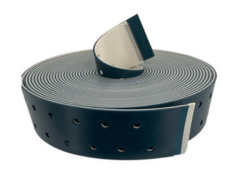
The right replacement conveyor belt is more than a buying decision. It directly affects the maintenance costs and the production efficiency of industrial operations.
This guide helps maintenance managers, plant engineers, and procurement teams make accurate, low-risk selection decisions.
Why Choosing the Right Replacement Conveyor Belt Matters in Industrial Operations
The right conveyor belt can keep operations running smoothly, and the wrong one can lead to constant breakdowns and hidden operational costs.
- Reduces unplanned downtime, production losses
- Enhances efficiency and stability of conveyor system
- Increase the life of belts and reduce maintenance intervals
- Reduced safety risks in industrial environments
The right replacement conveyor belt makes sure that the system works like it was designed for in real working conditions.
How Conveyed Material Influences Conveyor Belt Selection
The single most important factor in choosing any industrial conveyor belt is what it will carry.
Before buying a belt, check the properties of the material:
Particle size and shape: The material's size and shape, be it fine, coarse or sharp-edged, directly impacts how it interacts with the conveyor belt surface.
Load weight and bulk density: This determines the belt strength and tension capacity needed for safe and stable operation.
Abrasiveness level: This impacts the wear rate of the cover and is a major factor in the overall life of the belt.
Moisture, oil or chemical exposure: This affects the material compatibility and long-term durability of the conveyor belt.
Temperature conditions: The operating temperature (high or low) affects the choice of suitable belt materials to provide consistent performance.
Rubber conveyor belts used in quarry operations must withstand high abrasion, while packaging lines require lighter configurations.
Rubber Conveyor Belt vs Other Industrial Conveyor Belt Types
Different types of belts are for different industrial environments and loads.
When to Use a Rubber Conveyor Belt
Rubber conveyor belts are suitable for industrial applications where durability and resistance to abrasion are important factors.
- Mining and Quarrying
- Bulk material handling systems
- Heavy manufacturing sector
- Recycling & Aggregate Processing
Rubber belts provide long service life in high impact and abrasive environments.
Conveying PVC & PU Belts
They are for lighter applications where hygiene and precision handling are important.
- Packaging and sorting lines.
- Light material handling systems
- applications for smooth surface food grade
They are not good for heavy loads or for abrasive environments.
Modular Plastic & Metal Conveyor Belts
These are customized solutions for extreme or controlled environments.
- Wet food processing and washdown areas
- High-temperature applications
- Specialized industrial production systems
Key Technical Factors for Buying Conveyor Belts
After understanding the material, system specifications need to be checked carefully for compatibility .
- Belt width and length must correspond with conveyor frame dimensions and take-up range.
- Tensile strength (kN/m) must support operational load with safety margin.
- Minimum pulley diameter is determined by belt flexibility requirements.
- The troughing angle needs to be such that the belt tracks and is stable.
- Cover grade must satisfy abrasion, heat or chemical resistance requirements.
- The installation strength depends on the splicing method (mechanical, hot or cold vulcanization).
One wrong parameter can significantly reduce the life of the belt.
Common Mistakes When Selecting Industrial Conveyor Belts
The majority of conveyor belt malfunctions are caused by poor choices made prior to installation.
- Selecting a belt only based on its length and width
- Putting the lowest cost ahead of lifecycle performance
- Disregarding variations in material or throughput over time
- Replacing a belt without examining the wear condition or conveyor alignment
- Overlooking environmental changes like heat, moisture, or load variation
Repeated breakdown cycles are avoided by proper evaluation.
When to Consult an Industrial Conveyor Belt Supplier
When conditions are complicated or have altered from the initial system design, expert assistance is required.
- Recurring belt failures without apparent reason
- Modifications to the load, manufacturing speed, or kind of material
- High-critical activities with expensive downtime
- Outdated or absent OEM specs
Provide:
- Conveyor design and system specifics
- Features of material handling
- Current belt specs
- Records of maintenance and failure histories
This guarantees precise selection of replacement conveyor belts.
Final Takeaway: Choosing the Right Conveyor Belt
At National Belting Warehouse, we understand that selecting the right replacement conveyor belt is a key part of maintaining efficient and reliable operations.
A good industrial conveyor belt guarantees long-term operational reliability in many industrial applications, increases uptime and reduces maintenance costs.