
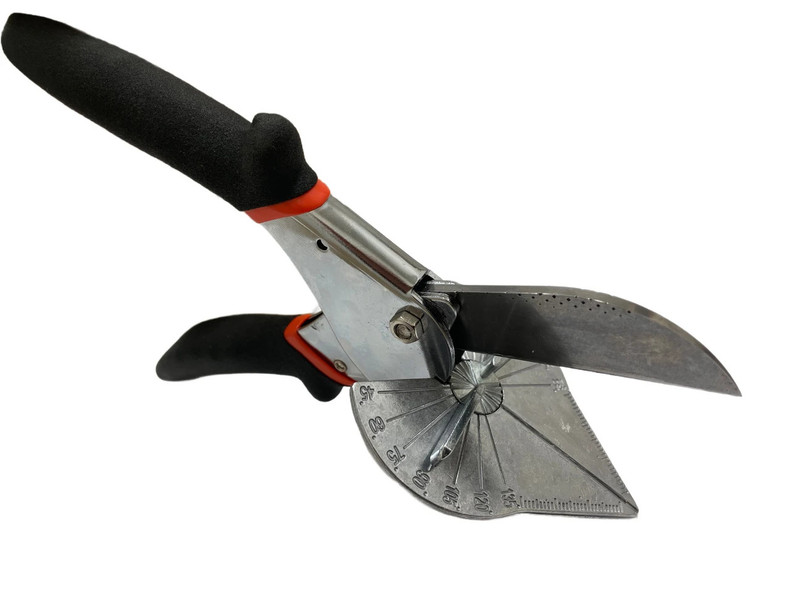
Conveyor belts are used in many material-handling and industrial applications, and proper belt preparation is important for reliable installation. Whether a belt needs to be shortened, prepared for installation, or adjusted for a specific application, making a clean and accurate cut can help ensure proper fit and alignment.
Using the right belt cutter can make the cutting process easier and more consistent than relying on general-purpose cutting tools. A dedicated belt cutter is designed to provide better control when making straight or angled cuts across industrial belting.
Why Accurate Conveyor Belt Cutting Matters
The way a conveyor belt is cut can affect how it fits during installation. An uneven or incorrectly positioned cut may make belt joining more difficult and affect the accuracy of subsequent installation work.
Accurate cutting is particularly important when preparing belt ends for splicing or other joining methods. A clean, consistent edge provides a better starting point for the next stage of belt preparation.
Using an appropriate cutting tool can also make the process more repeatable when multiple belts need to be prepared.
What Is a Belt Cutter?
A belt cutter is a specialized tool designed to cut conveyor and industrial belting. Depending on the tool design, belt cutters can be used to create straight or angled cuts across a belt.
Unlike improvised cutting methods, a dedicated belt cutter provides greater control over the cutting path. This can be useful when industrial belting needs to be cut accurately for a specific application.
When selecting a belt cutter, consider factors such as belt dimensions, material, thickness, required cutting angle, and the tool's cutting capacity.
How to Cut a Conveyor Belt Accurately
1. Measure the Belt Carefully
Start by determining the required belt length or the exact location where the cut needs to be made. Use a reliable measuring method and mark the cutting location clearly.
Double-check the measurement before cutting. A small measurement error can affect the final belt dimensions and may require additional adjustments.
2. Mark the Cutting Line
For a straight cut, create a clearly visible reference line across the belt. If the application requires a square cut, make sure the line is perpendicular to the belt edges.
If an angled cut is required, measure and mark the desired angle before positioning the cutter.
A clearly defined cutting line helps keep the tool on the intended path.
3. Position the Belt on a Suitable Surface
Place the belt on a stable, flat work surface with enough room to handle the material safely. Keep the cutting area clear of objects that could interfere with the tool.
The belt should remain properly positioned while cutting. Movement during the process can result in an uneven cut.
4. Position the Belt Cutter
Place the belt cutter along the marked cutting line and check its alignment before beginning the cut. Follow the manufacturer's instructions for positioning and operation.
Using a best belt cutter can help maintain a controlled cutting path and produce more consistent results when used correctly.
5. Make the Cut
Apply steady, controlled pressure according to the cutter's design. Avoid forcing the tool or making sudden movements, as these can affect the accuracy of the cut.
For thicker or more rigid belting, follow the cutting approach recommended for the specific tool and belt material.
6. Inspect the Finished Edge
After completing the cut, inspect the belt edge for uneven sections, loose material, or other visible irregularities. The finished edge should follow the intended cutting line.
If the belt will be spliced or joined, make sure the cut meets the specifications required for that joining method.
Common Conveyor Belt Cutting Mistakes to Avoid
Several common mistakes can make conveyor belt cutting less accurate:
Skipping measurements: Always confirm the required dimensions before cutting.
Using an unsuitable tool: General-purpose knives or tools may not provide the control needed for industrial belting.
Failing to secure the belt: Movement during cutting can affect the finished edge.
Ignoring belt specifications: Different belt materials and thicknesses may require different cutting approaches.
Rushing the process: Controlled movements can help produce more consistent cuts than applying excessive force.
How to Choose the Right Belt Cutter
The right belt cutter depends on the type of belt and the cutting requirements. Consider factors such as belt dimensions, thickness, cutting angle, tool design, and cutting capacity.
For maintenance teams and technicians who regularly work with industrial belting, a purpose-built cutter can provide a more controlled approach to belt preparation than general-purpose cutting tools.
National Belting Warehouse offers a belt cutter designed for industrial belt-cutting applications. The cutter can be used for straight and angled cuts, with its cutting capacity specified on the product page. Before using any belt cutter, review the product specifications and operating instructions to confirm that the tool is suitable for the belt being cut.
Tips for Accurate Conveyor Belt Cutting
Accurate conveyor belt cutting starts with careful measurement, clear marking, stable positioning, and the appropriate cutting tool. Taking these steps before cutting can help produce a more consistent finished edge.
When choosing a belt cutter, match the tool's cutting capacity and design to the belt and the type of cut required. Following the product instructions and using appropriate preparation methods can help support accurate and consistent belt cutting.
Ensuring Accurate Conveyor Belt Cuts
Accurate conveyor belt cutting depends on careful measurement, proper alignment, and using a cutter suited to the belt's material and thickness. Following the correct preparation steps can help achieve a clean, consistent cut and make subsequent installation or splicing work easier. Before cutting, check the belt cutter's specifications and follow the manufacturer's instructions to ensure it is suitable for your application.