
If a conveyor belt splice fails during a shift, it will halt production. Most of the time, the problem with the failed splice is not the fasteners themselves; it is usually due to the belt ends not being prepared properly.
This is where a belt skiver comes in handy. Belt skiving is one of the most neglected aspects of conveyor maintenance, yet it plays an important role in how long your splice lasts, how effectively your belt cleaners work, and how much noise your equipment produces during operation. If forward-thinking, a belt skiver will help ensure that your splice and your entire conveyor do not fail prematurely.
This guide will provide you with everything you need to know about belt skivers and belt skiving tools, including their purpose, significance, the different types available, and how to properly operate them.
What Is a Belt Skiver?
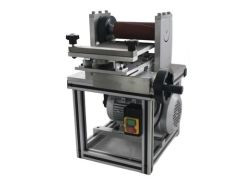
A belt skiver is a specialized tool used for conveyor belt skiver maintenance, which will remove the top cover from a conveyor belt to create a precise strip or area upon which mechanical fasteners can sit flush with or below the surface of the conveyor belt when the conveyor belt has been mechanical spliced.
Without skiving, mechanical fasteners extend out beyond the conveyor belt and can potentially cause premature wear of the mechanical fasteners and any surrounding conveyor components (i.e., belt cleaners, impact bars, skirt rubber and idlers). Therefore, using a properly skived conveyor belt will eliminate this entire issue.
What Does Belt Skiving Actually Do for Your Conveyor?
Skiving isn't just the first step in the preparation of your conveyor system, it will also have an impact on the performance of that conveyor system in the long term. The benefit of a properly skived belt includes:
- Longer splice life: Recessed fasteners are subject to significantly less mechanical stress, which means the need for re-splicing is reduced.
- leaner compatibility: Belt cleaners act on a smooth surface versus striking raised fastener heads, therefore extending the life of the cleaning blade.
- Reduced noise: Running the belt will result in less noise from recessed splice clips striking the idlers.
- Safer installation: Skiving tools for belts eliminate the potential for injury from uncontrolled cuts associated with manual knife skiving.
- Stronger grip of the fasteners: The removal of the top cover of the belt allows the teeth of the fasteners to directly set into the carcass of the belt at the point of its greatest strength.
When You Should and Shouldn’t Skive Your Belts
Skiving belts (thinning the material by removing layers) is used to achieve a lower profile for fasteners, reduce wear, and allow cleaner folds. You should skive when using bolt solid plate fasteners, to reduce wear from belt cleaners, or for better, flatter folds on thick belts. Avoid skiving on thin or worn belts, when using improper fasteners, or to save time.
When to Use a Belt Skive
1.When installing bolt solid plate fasteners
The top rubber cover of the belt is removed so that fastener teeth contact and engage directly with the belt carcass to create a stronger mechanical splice.
2.When the top cover of the belt is 3/16" (4.5 mm) or greater thick
Adequate material will be available for clean removal while leaving a protective layer on the carcass of the belt.
3.When changing to recessed splices or when using thick belts
When using heavy-duty belt cleaners, belt tight pulley clearances or when using belts at high speeds, it is essential to skive in order to provide flatter folds and cleaner folds for thick belts.
When Not to Use a Belt Skiver.
1. Thin or worn top covers
Skiving thru a worn top cover could run the risk of cutting into the carcass thereby compromising tensile strength & shortening the life of the belt.
2. Fasteners yet to be sized
Selecting fasteners based upon the thickness of the belt is critical for making proper fastener selection. Skiving prior to this could compromise the depth of the splice, the fit and long term integrity of the splice.
3. Existing damages/cracks
Skiving a belt with damage presents additional risk leading to the possibility of the splice failing, resulting in possible safety hazards as well.
How to Use a Belt Skiver: Step-by-Step Guide
To ensure clean, strong splices and to protect your conveyor system from unnecessary wear, follow these directions to get optimal performance from your belt skiving tool:
1. Set the skiving depth - Adjust the tool to your desired depth, normally between 1/16" and 3/8" (1.5 mm - 9.5 mm). Always leave a minimum of 1/16" of cover on the belt for moisture and UV protection.
2. Correctly place the skiver - Make sure the skiving tool's knife (blade) and fence are aligned by placing the skiving tool directly at the edge of the belt where you want to do your skive.
3. Secure the belt - Before using the skiver, you must keep the belt taut and/or in place.
4. Skive in one pass - The belt skiving tool should be moved in a straight line (translation) across the belt to remove the top cover in one smooth, even motion. If a deep skive is required, perform multiple engagements with the tool as opposed to a single pass; this prevents damage to the belt carcass.
Insight:
Proper belt skiving strengthens splices, extends belt life, and reduces maintenance costs and downtime. Following these steps ensures consistent results, safer operation, and a more reliable conveyor system.
How To Choose The Correct Belt Skiver For Your Application?
Choosing the correct belt skiving tool is very important for achieving maximum efficiency and belt life. When selecting the correct skiving tool for your specific application, keep in mind the following criteria.
Belt Width - Use compact portable skivers when skiving small narrow belts. Use an extra large skiver with handle to allow for additional control and provide the extra width needed to achieve consistent skives and accurate results on wide conveyor belts commonly used for packaging and industrial manufacturing.
Top Cover Thickness - Make sure that the skiving tool you are using properly matches the thickness of the top cover of your belts so that you get a clean skive without damaging the carcass.
Durability / User Friendliness – When you invest in a high quality skiver, you help to extend belt life, protect conveyor components from wear and tear, and eliminate problems related to poor splice preparation.
Improve Belt Performance with the Right Belt Skiver
Selecting the appropriate belt skiver or conveyor belt skiver and using it appropriately can significantly affect the quality of the splice, the performance of the belt and the overall reliability of the entire system. Well applied belt skiving tools will extend the life of the belt while lowering your maintenance costs and downtime. By knowing when to skive, how best to skive, and which tool is the right tool for your application, you will be able to achieve consistent results and operate your conveyor system efficiently.